
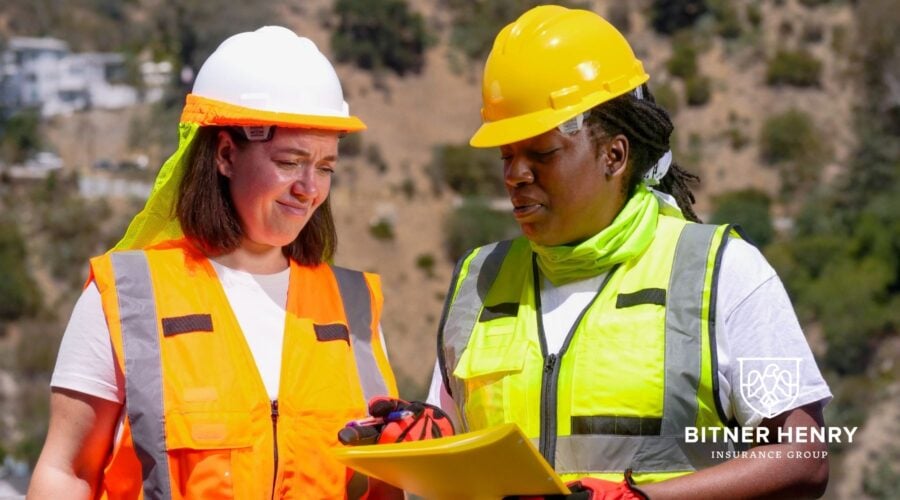
When choosing a contractor, most people believe they are hiring someone to swing a hammer. In reality, you are hiring a partner to navigate a complex, non-linear system of risk and recovery. If you hire someone who understands the theory but lacks the instinct of a practitioner, your project will become a fragile mess of delays and excuses.
How Can You Keep Operations Going After a Disaster?
A major insurance claim doesn’t have to mean a total shutdown of your operations. A skilled contractor uses several strategies to keep you functional. Ask them about the following:
- Noise Management: For a church, this is a matter of respect. A practitioner shuts off the loud drying equipment during Sunday services and restarts it Monday morning. This is a simple heuristic for maintaining a “quiet service” without halting the drying process.
- Phased Action: You do not need to demolish everything at once. Contractors can minimize destruction in specific areas, allowing you short-term use of the space while the heavy work is planned in the background.
- The Safety Boundary: If a building is fully stripped down, it is dangerous. A good contractor will tell you exactly when the risk outweighs the benefit of staying open. They value reality over optimism.
Who Should Be in Charge of Your Rebuild?
One of the fastest ways to make a project fragile is to introduce a committee. Especially in volunteer-led organizations, having five different people with five different mindsets creates a “noise” that prevents any actual work from getting done.
- Single Point of Contact: You must designate one person. Not a board, not a group of well-meaning parishioners, but one person who handles updates and requests. This creates a clear line of accountability.
- Respect Professional Boundaries: While engagement is encouraged, having a staff member or parishioner try to manage the professional contractor’s every move can become a burden, not a help.
How Do You Choose the Right Contractor?
Selecting a General Contractor (GC) is about more than just finding someone to do the work; it’s about finding transparency.
Look for Engagement, Not Just Keys: Avoid contractors who just want you to “throw them the keys” and stay out of the way. An ideal partner wants you involved in the process, explaining where disruptions will happen and where materials can be salvaged.
What Red Flags Should You Look For When You Choose the Right Contractor?
- Vague Material Lists: If they won’t specify the grade of paint or flooring, they are likely using “apartment grade” junk. These materials turn chalky and wear out in a few years.
- Lack of Written Terms: Ensure everything is spelled out in writing, from the timeline to the specific trim and finishes being used to match existing structures.
- Unrealistic Timelines: If a schedule seems too good to be true, it likely is. A transparent contractor will build in time for material delays or selection processes.
Conclusion
Restoring a building is a marathon, and like any long-term effort, it requires a focus on things that are timeless: transparency, accountability, and the wisdom to avoid the “shortcuts” offered by people with nothing to lose.
By maintaining a single point of contact and demanding a partner who explains the “how” and the “why,” you can move through the restoration process with a sense of calm. You are not just getting your building back. You are making it more robust than it was before the fire or the flood.
Further Reading

How to Plan Safe International Mission Trips
Preparing for an International mission trip can be a daunting task. It may be even more overwhelming to plan a trip for a large group as a part of...
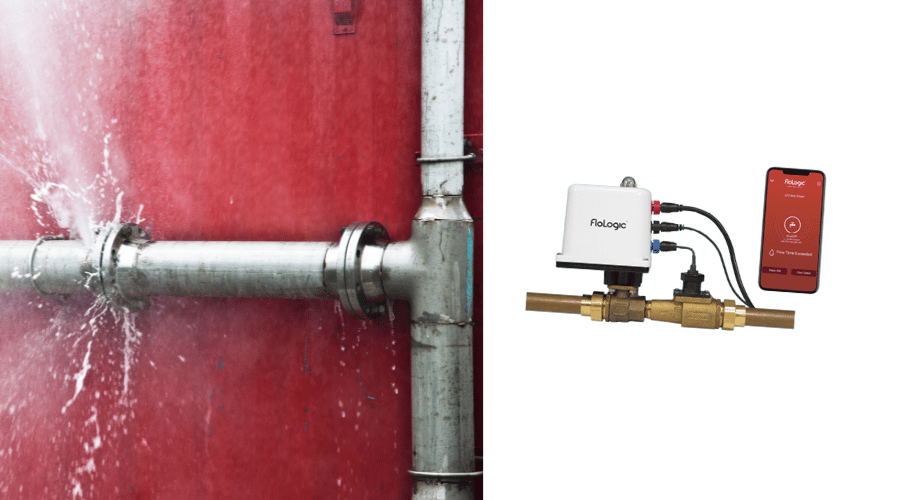
Prevent Water Disasters with Automatic Water Valve Shutoff Systems
Claims related to water damage can damage both your property and your access to favorable insurance rates. According to the Insurance Information...