
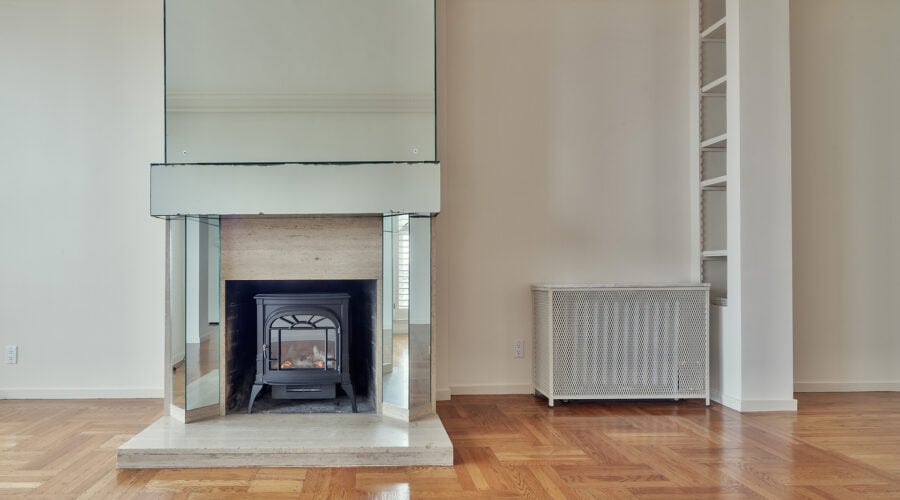
Sometimes people are unaware that there is a significant reduction in coverage if their property is vacant and unoccupied for more than 60 days (and no, it doesn’t count if the neighbor is looking at the property through their window). Coverage such as vandalism, sprinkler leakage, glass breakage, theft, or attempted theft is not covered. It’s important to notify your insurance agent if your property is vacant or unoccupied to make sure you are adequately protected.
For any organization- whether a business, church, or non-profit– that owns property, understanding the insurance definitions of vacant and unoccupied is crucial. Failing to notify your agent when a property status changes can result in a devastating coverage reduction or denial when you need it most.
Most standard commercial property insurance policies contain a strict provision that significantly limits or entirely eliminates coverage if a building is vacant or unoccupied for more than 60 consecutive days.
1. Defining the Threat: Vacant vs. Unoccupied
While the terms sound similar, they represent different levels of risk to the insurer, and policies treat them differently.
A. Vacant (The Higher Risk)
A building is typically considered vacant when it contains little to no property necessary for its operations and no people are living or working there.
-
Example: A business closes and removes all office furniture and inventory, leaving an empty shell. A church sells an old parish house and it is cleared out waiting for the new owner.
B. Unoccupied (The Lesser, but still Critical Risk)
A building is considered unoccupied when it contains the property necessary for its operations (furniture, equipment, fixtures) but no people are physically present or working inside.
-
Example: An apartment complex unit sits fully furnished but without a tenant. A school building is closed for the entire summer break.
2. The 60-Day Danger Zone
Once a property crosses the 60-day threshold of vacancy or unoccupancy, insurance coverage for key perils changes dramatically, exposing the owner to severe financial loss.
Perils That Are Often Eliminated or Significantly Reduced:
If a property is vacant for more than 60 days, coverage is typically eliminated entirely for high-risk perils, including:
-
Vandalism and Malicious Mischief
-
Theft or Attempted Theft
-
Glass Breakage
-
Water Damage caused by freezing pipes or sprinkler system leakage (if the insured failed to use reasonable care to maintain heat or drain the systems).
In many cases, even coverage for standard perils like fire, wind, and hail may be reduced by as much as 15% to 50% of the covered loss amount.
3. Mandatory Action: What You Must Do
The responsibility to monitor and report the occupancy status rests entirely with the insured organization.
-
Immediate Notification is Key: If you anticipate a property will be vacant or unoccupied for more than 30 days, notify your insurance agent immediately. Do not wait until the 60th day.
-
Obtain a Vacancy Permit/Endorsement: Your agent can work with the carrier to add a Vacancy Permit or Endorsement to your policy. This is not free, and it may impose additional requirements (like daily inspections or alarm systems), but it restores coverage for many of the perils that would otherwise be excluded.
-
Implement Formal Inspection Logs: If a property must be unoccupied (e.g., during construction or a slow sales period), implement a formal, documented process requiring staff or a third party to physically enter and inspect the building (not just look through a window). This log helps prove the building was being monitored, which can be critical during a claim review.
Ignoring a vacant or unoccupied property is one of the quickest ways to void coverage and turn a manageable incident into a financial catastrophe. Consult with your agent whenever there is a change in the use of any organizational property.
Last Updated: March 25th, 2026
Further Reading

Choosing the Right Agency for School and Education Insurance in North Carolina
Bitner Henry Insurance Group is an independent insurance agency that works to secure insurance coverage for schools, colleges and universities,...

What Should I Look For In An Insurance Broker?
An experienced broker will have risk management expertise, a strategic marketplace approach, dedicated service team, and a proactive plan for managing your account in the future.