
As we prepare to welcome students back to campus, prioritizing safety is essential for ensuring a smooth and secure transition. This checklist focuses on critical administrative, facility, and operational readiness steps that leadership teams must confirm before the first day of school.
1. Transportation and Traffic Flow
The first day of school often brings traffic congestion and confusion. Clear, rehearsed plans are vital for managing morning and afternoon traffic.
-
Review Drop-Off/Pick-Up Zones: Physically inspect and clearly mark all student drop-off and pick-up areas. Ensure signage is visible and traffic cones are ready.
-
Staff Assignments: Designate and train specific staff members to manage traffic flow during peak hours. Confirm they know emergency procedures for clearing paths.
-
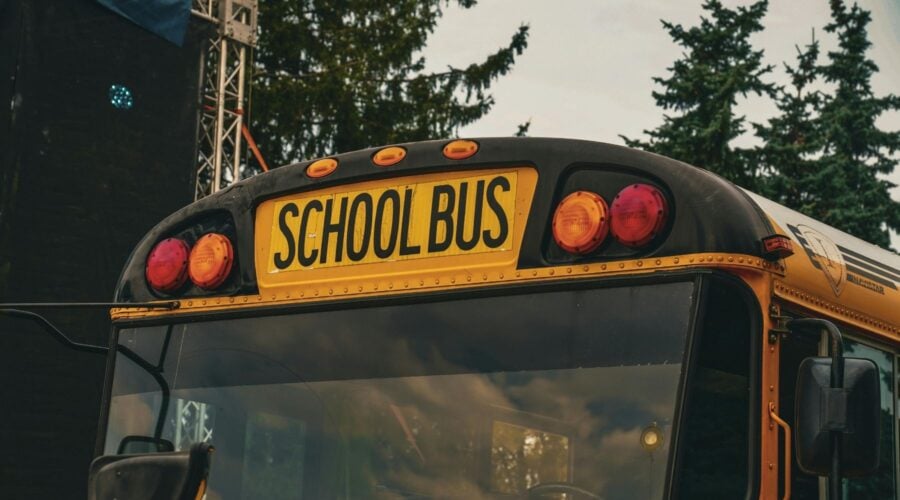
Bus Inspection: Verify that all school buses (owned or contracted) have passed mandatory maintenance and safety inspections and that drivers have up-to-date certifications.
-
Crosswalk Safety: Check crosswalk paint visibility and ensure crossing guard posts are staffed and equipped with necessary gear.
2. Access Control and Security Systems
Security starts at the door. All systems must be tested and confirmed operational before student arrival.
-
Door and Lock Audit: Perform a full audit of all exterior doors to confirm they are functional, secured, and set to automatically lock once the school day begins.
-
Visitor Protocol Review: Retrain front office staff on current visitor check-in, badge issuance, and escort protocols. All volunteers and non-essential visitors must be strictly controlled.
-
Panic/Alert System Test: Fully test all critical communications systems, including intercoms, public address systems, and any rapid alert or panic button technology.
-
Camera System Check: Verify that all security cameras (interior and exterior) are functioning, correctly positioned, and recording properly.
3. Emergency and Health Readiness
Health and crisis plans must be current, stocked, and communicated to staff.
-
First Aid and AED Check: Inventory all first aid kits campus-wide (classrooms, office, gym). Verify that Automated External Defibrillators (AEDs) are operational, batteries are charged, and inspection dates are current.
-
Health Office Supplies: Confirm the school nurse’s office is fully stocked with necessary supplies, medications are stored securely, and protocols for managing student chronic conditions (allergies, diabetes, etc.) are reviewed.
-
Emergency Contact Updates: Ensure the administrative system has current emergency contact information for every student and staff member.
-
Intruder/Fire Drill Schedule: Finalize the calendar for required safety drills and ensure all staff (new and returning) are briefed on lockdown, evacuation, and shelter-in-place procedures.
4. Facility Maintenance and Environment
A safe environment includes addressing physical hazards and sanitation.
-
Hazard Sweep: Conduct a final walk-through of the entire facility (hallways, stairwells, playgrounds, restrooms) to identify and eliminate trip hazards, clutter, or broken equipment.
-
Fire Extinguishers: Verify all fire extinguishers are accessible, properly mounted, and within their inspection date.
-
Water Quality Check: If applicable, run water from all fountains and sinks that have been dormant over the break to ensure freshness and confirm any required water quality tests are completed.
-
Sanitation Stations: Confirm adequate supplies of soap, hand sanitizer, and cleaning materials are available in all classrooms, restrooms, and common areas.
This is all basic stuff – but it’s always good to be reminded. Take it slow, and let’s have a happy and safe school year!
Last Updated: March 25th, 2026
Further Reading

4 Cyber Threats to Watch Out For
Technology is a valuable tool used for communication; however, digital communication comes with risk. Cyber criminals are becoming more...

GuideOne is now a preferred carrier for Boys & Girls Clubs
GuideOne has been insuring youth services for years and is now a preferred insurance carrier for the Boys & Girls Club of America. Bitner Henry...