

For recovery programs and sober living homes, the mission is always focused on restoration and second chances. However, giving a “second chance” doesn’t always mean letting people drive.
At Bitner Henry Insurance Group, we see firsthand how quickly a well-intentioned decision can turn into a coverage nightmare.
What Happens If You Let An Excluded Driver Drive?
Daryl Henry, a Managing Partner at Bitner Henry, and Chris Graham, an agent who specializes in risk management for recovery centers, recently discussed a scenario that they saw firsthand that haunts many operators.
In this particular case, a recovery program was allowing residents to drive. They were sending names to their insurance carrier to be screened, but they weren’t running the Motor Vehicle Reports (MVRs) themselves first. The carrier identified one specific driver with a terrible record and officially listed them as an Excluded Driver, which meant that if they drove, they would not be covered in the case of an accident.
“This client, a resident, [stole] the vehicle, taking the keys in the middle of the night,” Chris Graham explains. “Becoming intoxicated, they ended up driving the wrong way down the interstate and hitting someone.”
While the injuries were fortunately minor, the financial blow was catastrophic. Because that individual had been specifically named as an excluded driver, the insurance carrier denied the claim entirely.
Why is Screening is A Recovery Program’s First Line of Defense?
Many leaders assume that if the insurance company doesn’t complain, the driver is fine. But relying solely on the carrier is a reactive strategy. By the time the carrier tells you a driver is excluded, they might already be a “red flag” on your policy.
Chris Graham advises a proactive approach: “Some of the things that we recommend is for the entity… to pull their own MVRs before they send it to the carrier. That way you know, ‘Hey, this one doesn’t hit the mark,’ and we aren’t even sending them in.”
By screening drivers internally first, you prevent the carrier from ever having to officially “exclude” a person, which keeps your policy cleaner and your liability lower.
How Can You Help Prevent Stolen Cars?
If you are operating a recovery home, the reality is that you are housing individuals who may still be battling impulses or facing difficult moments in their journey. Leaving keys on a peg by the door or in an unlocked office is an invitation for disaster.
Daryl Henry notes that simple physical barriers can prevent loss. “That whole double-locking methodology can very easily prevent a lot of those vehicle thefts,” Henry says.
Double-locking means:
- Keys are kept in a locked cabinet or safe.
- That cabinet is kept inside a locked office or supervisor’s room.
This ensures that a “crime of opportunity” requires intent and effort to bypass, giving your staff more time to intervene.
Who Should Be Able to Drive in Your Recovery Program?
When selecting drivers, you aren’t just looking for someone with a license; you are looking for a professional representative of your ministry. Be careful who you let drive your car.
“If you’re going to put someone behind the wheel of a car, consider that to be part of the job description,” says Daryl Henry. “Screen them accordingly. If they’re not the right person, you’re putting a whole lot of risk on the organization.”
Generally, the industry looks for:
- No major moving violations (Super speeding, reckless driving).
- No DUIs in the recent past.
- No revoked or suspended licenses.
In the recovery community, a best practice is to limit driving duties to those who have proven their stability and have a cleared driving record.
Final Thoughts
Your vehicles are a tool for service, but they are also your greatest liability. Don’t let an “excluded driver” be the reason your doors close. Take control of your screenings, secure your keys, and protect the people you serve.
Last Updated: March 30th, 2026.
Further Reading

A Great Resource to Help with Ministry HR!
In years of doing HR teaching and training, I have often said that the best HR professionals are not defined by what they know, but by the...
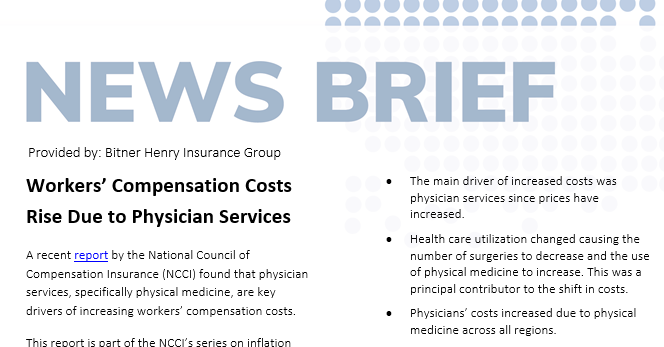
Why Are Workers’ Compensation Costs Rising?
Rising workers' compensation costs are increasingly driven by physician services, specifically the surge in physical medicine and therapy. While...