
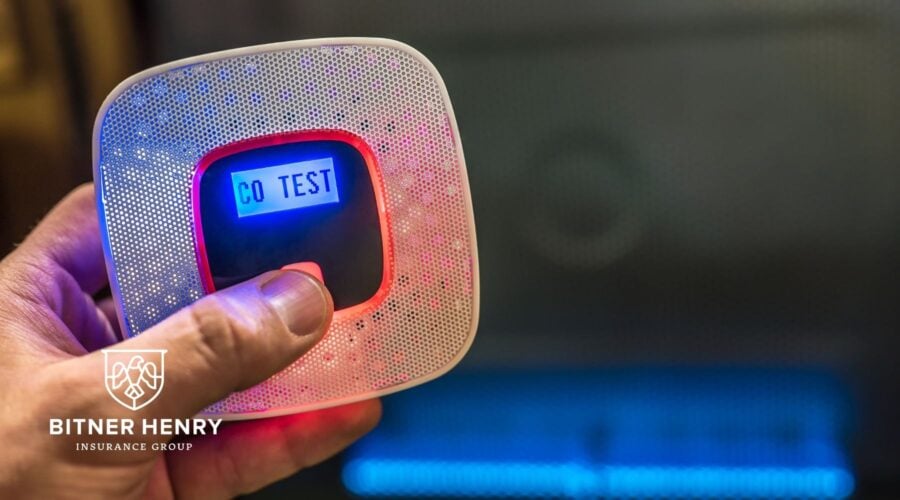
Carbon monoxide (CO) is a deadly, odorless, colorless, and invisible gas produced when fuels (like natural gas, propane, oil, wood, or gasoline) do not burn completely. While often discussed in the context of homes, CO poisoning poses a severe, often unrecognized, risk in church buildings that utilize large boilers, furnaces, and heaters, especially as temperatures drop.
Given the potential for large groups of people (including vulnerable populations like children and seniors) to gather for extended periods, proactive CO safety can be very important and helpful for church facilities.
Primary Sources of CO Risk in Church Buildings
In a large facility like a church, CO is most commonly generated by:
-
Furnaces and Boilers: Especially older units that are not properly vented or maintained, or during periods of heavy, continuous use.
-
Water Heaters: Commercial-sized units can pose a risk if ventilation is blocked or compromised.
-
Generators: Portable generators running too close to ventilation intakes or inside a closed room (e.g., during a power outage).
-
Attached Garages or Maintenance Areas: Vehicle or equipment exhaust from maintenance shops or garages attached to the main building.
-
Blocked Chimneys/Vents: Snow, ice, or debris can block the exhaust flues of heating appliances.
CO Detection is Mandatory: Placement and Maintenance
Since CO cannot be detected by human senses, detection devices are the only line of defense. The International Association of Fire Chiefs (IAFC) and fire safety experts strongly recommend the following for institutional buildings:
Detection Tips for Church Facilities
-
Strategic Placement: Install a CO detector on every floor of the facility, including the basement and near mechanical rooms.
-
Near Occupied Areas: Place detectors within 10–15 feet of every major occupied space (sanctuary, fellowship hall, nursery, Sunday School wings).
-
Near Mechanical Rooms: Install a detector near or inside rooms housing large furnaces, boilers, or water heaters, provided they are not immediately next to the appliance vent (which can cause nuisance alarms during startup).
-
Attached Garages/Shops: Ensure a detector is located near any doorway connecting an attached garage or maintenance shop to the main facility.
-
-
Power Source: For reliability, use plug-in detectors with battery backup. While batteries-only units are portable, plug-in models ensure continuous coverage and reduce the frequency of battery checks.
-
Regular Replacement: CO detector sensors degrade over time. Implement a rigid schedule to replace every detector every five to six years. Log the installation and replacement dates.
-
Know the Manuals: Ensure the facility team reads the installation manual for the specific brands purchased, as manufacturers may have specific distance recommendations based on their sensor technology.
-
CO vs. Smoke: Remember that CO detectors do not replace smoke detectors, and vice versa. Consider purchasing dual smoke/carbon monoxide detectors for cost-efficiency and centralized monitoring where appropriate.
Recognizing and Responding to Exposure
The health risks of CO exposure are heightened in a church setting, where vulnerable individuals (children, the elderly) are often present, and symptoms may be mistaken for the flu or general malaise.
Symptoms of Carbon Monoxide Poisoning
If you or anyone in the facility exhibits these symptoms, especially if multiple people feel ill simultaneously:
-
Dull headache
-
Weakness or lethargy
-
Dizziness and lightheadedness
-
Nausea and vomiting
-
Shortness of breath
-
Confusion or loss of consciousness
Emergency Action Protocol
If a CO detector sounds or exposure is suspected:
-
Evacuate Immediately: Without delay, move all affected individuals and the general congregation out of the building and into fresh air. Do not wait to confirm the cause.
-
Call Emergency Services: Immediately dial 911 or your local emergency number. Inform them that you suspect carbon monoxide poisoning.
-
Do Not Re-Enter: Do not re-enter the building until it has been declared safe by the Fire Department or a qualified technician.
-
Seek Medical Care: Ensure anyone exhibiting symptoms receives immediate emergency medical attention.
By implementing CO detection and maintenance protocols, your church can safeguard its congregation and ensure that the building remains a secure and healthy place for worship and community.
Last Updated: March 25th, 2026
Further Reading

Keep Water from Going Where it Shouldn’t
One of the most disheartening experiences is to find flooding or extreme water damage to your treasured home. We know you want to protect what's...

Nuclear Verdict Case Study
What Are Nuclear Verdicts and Settlements? Nuclear verdicts refer to exceptionally high jury awards, namely those exceeding $10 million. Similarly,...