
Don’t be unprepared- protecting your mission requires a proactive strategy to handle risk. Whether you are leading a church congregation, managing a nonprofit, or growing a business, “commercial liability exposure” is a term you need to know. Simply put, this refers to any situation where your organization could be held legally and financially responsible for causing harm or damage to someone else.
These risks are built into the daily work you do and the places where you do it. Understanding these vulnerabilities is the first step toward safeguarding your organization’s future.
The Big Five: Common Liability Risks
Every leader should be aware of these five specific ways an organization can be held liable.
1. Your Physical Space (Premises Liability)
If a visitor slips on a wet floor at your office or a parishioner trips on a loose rug in the sanctuary, your organization is likely on the hook. Any group that welcomes people into a physical building faces this risk. You may be held responsible for both bodily injuries and damage to the visitor’s property.
2. Your Daily Work (Operational Liability)
This risk follows you while you are actively working. Imagine a contractor repairing a roof for a client. If an employee drops a hammer and it hits a neighbor’s car or injures a passerby, the business is liable for the damage caused during those ongoing operations.
3. Your Products (Products Liability)
If your organization makes, distributes, or sells anything, you face products liability. A defective item can cause injury long after it leaves your hands. These claims can arise anywhere in the world where your products are used.
4. Your Finished Projects (Completed Operations)
The risk does not end when the job is done. Completed operations liability covers injuries or damages that happen after you have handed over a project. A classic example is a fire caused by faulty wiring that occurs months after an electrician finished the job.
5. What You Sign (Contractual Liability)
When you sign a contract, you are taking on specific legal responsibilities. If the other party feels you have failed to live up to those terms, your organization can be held liable for the resulting fallout.
What is at Stake?
A single liability claim can have a ripple effect across your entire organization. The consequences often include:
-
Financial Payouts: If a court finds you responsible, you may have to pay significant damages to the injured party.
-
Legal Fees: Even if you win, the cost of hiring lawyers and managing a claim can be staggering.
-
A Damaged Reputation: Liability losses can erode the trust of your donors, customers, and investors. It can also make it much harder to keep your best employees.
Your Safety Net: Commercial General Liability (CGL)
While you can’t eliminate every risk, you can protect your assets with a Commercial General Liability policy. This insurance is the standard shield for organizations of all sizes. A typical policy covers three main areas:
-
Bodily Injury and Property Damage: This provides a legal defense and pays for damages if your premises or operations cause harm to a third party.
-
Personal and Advertising Injury: This covers “soft” damages like libel, slander, copyright infringement, or invasion of privacy.
-
Medical Payments: This is a vital tool for handling minor accidents. It pays for medical bills for third-party injuries without requiring a lawsuit. This often helps settle small issues quickly and keeps them from turning into expensive legal battles.
The best way to secure your organization is to speak with a trusted insurance professional who understands your specific field. Get a quote from Bitner Henry Insurance here.
Last Updated: March 30th, 2026.
Further Reading
Bitner Henry Gains Two More Licensed Agents
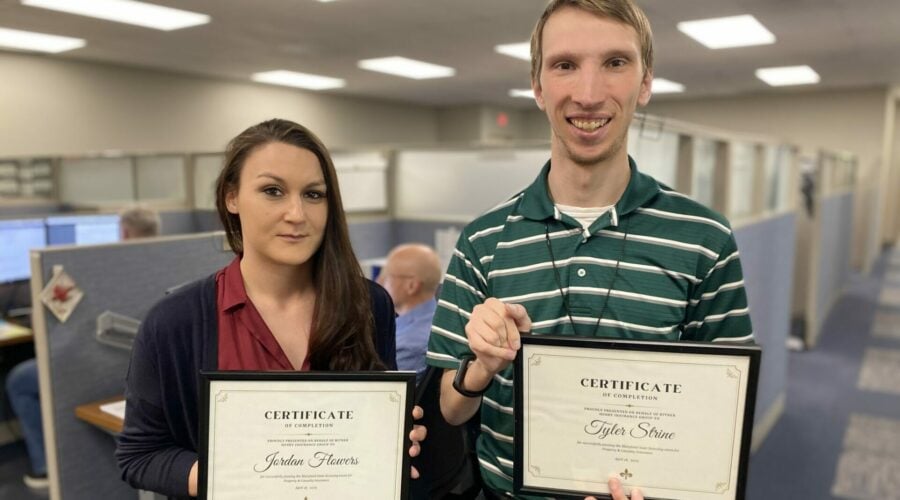
Tyler Strine and Jordan Flowers are new to the insurance industry and began studying for the Property and Casualty state exam in February. As licensed agents, they can handle customer calls and assist them with insurance-related questions. They are grateful to take the next steps in their career.

How to Lower Your Nonprofit’s Auto Insurance Bill
For non-profit organizations, every dollar saved on overhead—including commercial and non-owned auto insurance—is a dollar redirected toward the...