Pollution Liability
Pollution liability insurance, also known as environmental liability insurance, protects businesses from financial responsibility for pollution-related incidents.
What is pollution liability insurance and what does it cover?
Pollution liability insurance provides specialized financial protection against claims involving environmental damage or health issues caused by pollutants. This coverage typically pays for bodily injury to third parties, physical damage to property, and the high costs of environmental remediation. It also covers legal fees necessary to defend your company against lawsuits stemming from sudden or gradual contamination incidents.
Who needs to carry pollution liability insurance?
Any business that handles hazardous materials or produces waste should carry this coverage, but it is essential for construction, manufacturing, and transportation. In construction, the risk of disturbing soil or releasing dust is high. Manufacturers often deal with chemical runoff or air emissions, while transportation companies face constant risks of spills or leaks during the movement of hazardous cargo.
Why is pollution liability insurance critical for construction projects?
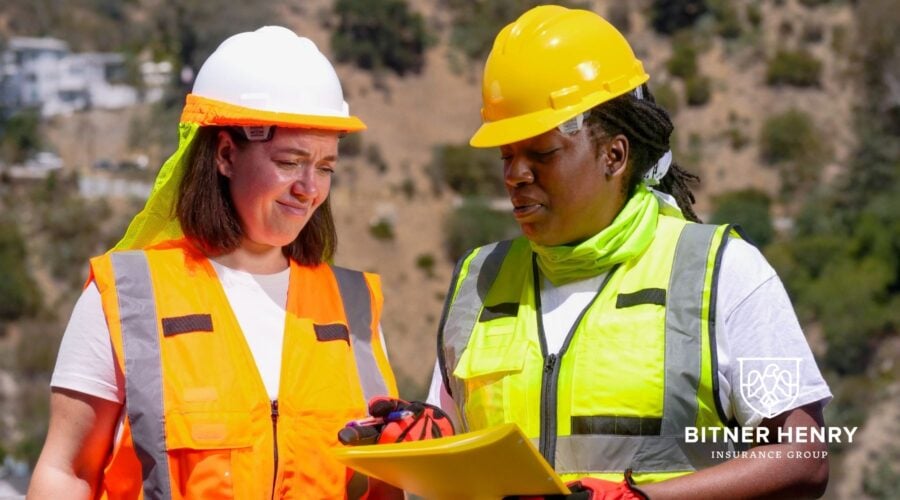
Construction companies face unique environmental exposures that standard general liability policies often exclude. Projects involving excavation can accidentally release buried contaminants or lead to site disturbance that affects local water sources. Furthermore, general contractors are frequently held responsible for the actions of their subcontractors, making a comprehensive policy necessary to manage the legal and financial fallout of on-site spills.
What are the different types of pollution liability coverage available?
There are three primary structures for this insurance. Contractors Pollution Liability covers incidents arising from active work on a project site. Pollution Legal Liability protects owned or leased properties like warehouses or storage yards. For the most complete protection, a Combined CPL and PLL policy covers both operational risks on various jobsites and fixed location risks at your home office or yard.
What are the primary benefits of securing a pollution policy?
The main advantage is the preservation of capital when faced with massive cleanup mandates or legal settlements. Beyond the financial safety net, having this insurance is often a strict requirement to win commercial contracts. It also helps protect your professional reputation by showing clients and regulators that your company is prepared to take immediate responsibility for any environmental mishaps.